
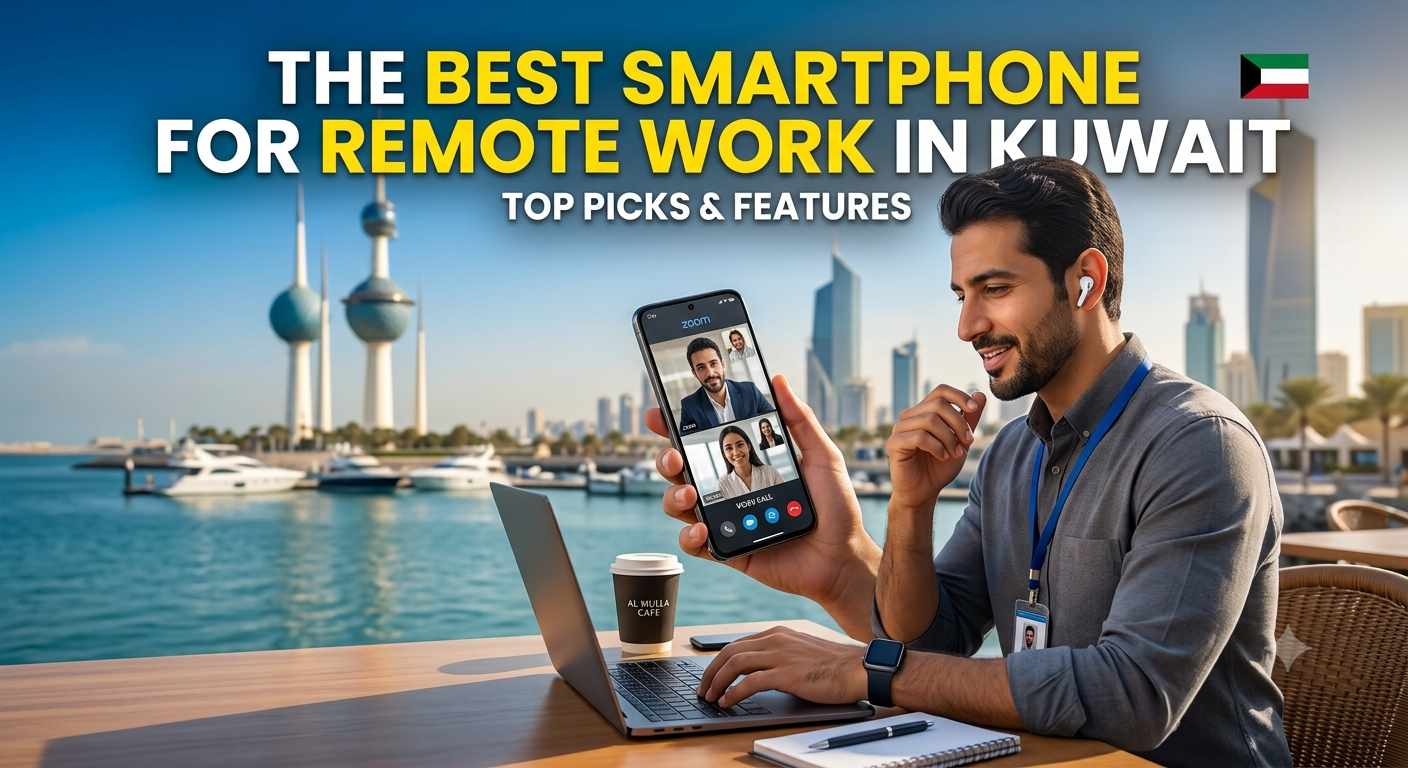
Best Smartphone for Remote Work in Kuwait
“Can your smartphone withstand Kuwait’s 45°C summer heat at the exact moment a critical career deal is about to be finalized over a Zoom call?”
Choosing the right device for remote work is a critical decision. Professionals require absolute reliability, high performance, and exceptional value from their technology. When operating in a demanding professional environment, a substandard smartphone can severely impact daily productivity and workflow efficiency.
Consider a realistic professional scenario: It is 2:00 PM, the sun is at its peak in Kuwait City, and you are working remotely from a cafe near the Al Hamra Tower. Your supervisor requests an urgent client meeting via Zoom. You attempt to connect, but the device experiences performance throttling, the battery rapidly depletess to 15%, and intense outdoor glare renders the display unreadable. Such technical failure represents a worst-case scenario for any remote professional relying on mobile connectivity through networks like Zain Kuwait or Ooredoo.
What to Look for in a Smartphone for Remote Work in Kuwait
The technical requirements for a remote professional differ significantly from those of an average smartphone user. When selecting the ideal device to meet the unique environmental and professional demands of Kuwait, several critical hardware specifications must be evaluated before making a purchase through retail channels like Lulu Hypermarket.
Fast Processor for Multitasking
Operating resource-intensive applications such as Slack in the background while simultaneously editing complex spreadsheets and managing corporate correspondence demands high processing capabilities. The integration of the latest Qualcomm Snapdragon or Apple Silicon chipsets ensures consistent operational performance without systemic lag.
Long Battery Life
High ambient temperatures in Kuwait accelerate battery degradation and discharge rates. For professionals operating outside fixed office environments, relying on external power banks compromises mobility. A high-capacity battery optimized to sustain intensive workloads throughout a full operational day is essential.
Excellent Video Calling Camera
Virtual client presentations and team alignments require a high-resolution front-facing camera and an advanced microphone array. Substandard video performance in low-light conditions can diminish professional presentation. Therefore, superior low-light camera optimization is a key requirement.
Large & Bright Display
To counter intense outdoor glare and ensure readability in direct sunlight, a display must achieve a peak brightness of at least 2000 nits. Furthermore, an expansive screen size of 6.7 inches or larger significantly improves the efficiency of reviewing and editing enterprise documents.
5G and Wi-Fi Connectivity
Kuwait features highly robust 5G infrastructure maintained by major telecommunications infrastructure providers, including Zain, Ooredoo, and stc. Comprehensive compatibility with these high-speed networks is vital for maintaining uninterrupted, high-definition video communications.
Storage & RAM Requirements
To seamlessly handle modern corporate software and extensive database architecture, a baseline configuration of 12GB RAM paired with 256GB of internal storage is highly recommended for Android platforms. Conversely, due to proprietary software optimization, iOS devices deliver equivalent efficiency starting at 8GB RAM.
Top 5 Smartphones for Remote Work in Kuwait
 An evaluation of the leading enterprise-grade smartphones available in the market reveals distinct hardware and software configurations optimized for remote operations. Below is a detailed analysis of the top choices for professionals in Kuwait.
| Device | Processor & RAM | Display & Brightness | Battery & Charging | Retail Options |
|---|---|---|---|---|
| Samsung Galaxy S25 Ultra | Snapdragon 8 Gen 4 12GB RAM |
6.8-inch Dynamic AMOLED 2X 2600 nits Peak |
5000mAh 45W Fast Charging |
View Offers |
| iPhone 16 Pro Max | A18 Pro Chip 8GB RAM |
6.9-inch Super Retina XDR 2000 nits Peak |
4685mAh 30W Fast Charging |
EMI Plans |
| Google Pixel 10 Pro | Tensor G5 Chip 16GB RAM |
6.8-inch Super Actua 2000 nits Peak |
5050mAh 45W Fast Charging |
Check Price |
| OnePlus 13 | Snapdragon 8 Gen 4 12GB/16GB RAM |
6.82-inch BOE X2 2500 nits Peak |
6000mAh 100W SuperVOOC |
View Offers |
| Xiaomi 15 Ultra | Snapdragon 8 Gen 4 12GB/16GB RAM |
6.73-inch AMOLED 3000 nits Peak |
5300mAh 90W Wired / 80W Wireless |
EMI Plans |
1. Samsung Galaxy S25 Ultra
This flagship model serves as a premium device for mobile productivity, primarily due to the integrated S-Pen interface. The stylus functionality allows for efficient document signing and immediate note-taking during professional transits. The application of specialized anti-reflective display coatings ensures visual clarity under intense ambient sunlight.
Pros: Advanced S-Pen utility; Samsung DeX infrastructure transforms the smartphone into a workstation; superior anti-reflective outdoor display.
Cons: Substantial structural weight and angular ergonomics limit single-handed operation; significant capital investment required.
Best For: Professionals requiring active multi-window processing and immediate document annotation capabilities.
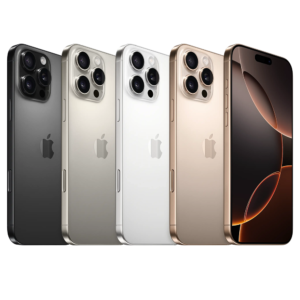
For operations deeply integrated within corporate hardware environments utilizing macOS and iPadOS ecosystem configurations, this device offers seamless cross-platform synchronization. The optimization of the microphone array and front-facing optics provides high fidelity during corporate virtual conferences.
Pros: Leading battery longevity under continuous operational load; integrated Apple Intelligence tools for automated document summarization; studio-grade acoustic capture.
Cons: Power delivery architecture limits charging speed to a maximum of 25W–30W; localized data architecture presents friction when interfacing with Windows-based environments.
Best For: Enterprise users prioritizing seamless software ecosystem synergy and uncompromised video conference stabilization.
3.Google Pixel 10 Pro
This terminal is tailored for users requiring extensive integration of artificial intelligence tools within their workflow. Its native voice-to-text algorithm provides precise transcription capabilities, enabling the automated generation of complex text documentation and transcripts directly from audio fields.
Pros: Native Android software deployment; exceptional productivity suites including automated Call Assist meeting transcription and live translation protocols.
Cons: Thermal regulation limitations may manifest under sustained data-rendering pipelines or graphics-heavy workloads.
Best For: Analysts, corporate researchers, and professionals heavily dependent on the Google Workspace application framework.
4.OnePlus 13
This device represents a highly optimized cost-to-performance configuration, delivering premium hardware standards within a competitive price segment. Its rapid power replenishment infrastructure mitigates downtime caused by low battery levels during extended field operations.
Pros: Advanced 100W SuperVOOC power delivery capable of complete battery replenishment within 30 minutes; expansive battery cell capacity ensures multi-day baseline durability.
Cons: Front-facing sensor calibration displays inconsistent dynamic range during high-definition enterprise video feeds compared to premium peers.
Best For: High-mobility professionals requiring extreme battery durability and minimal tethered charging downtime.
5.Xiaomi 15 Ultra
While engineered primarily for advanced imaging pipelines, the core system throughput and display engineering of this terminal establish it as an efficient professional asset. The high luminous output of its display panels ensures structural visibility under high outdoor illuminance.
Pros: Industry-leading display luminance engineered to withstand direct sunlight; flexible 90W wired and 80W wireless power delivery protocols.
Cons: Proprietary user interface (HyperOS) incorporates deep background tasks and software packages that require manual enterprise policy configuration.
Best For: Creative Directors, multimedia strategists, and professionals managing large-scale database operations and asset rendering in the field.
Comprehensive Device Comparison
For an optimized evaluation of the market offerings, the following comprehensive analytical layout outlines the core functional operational matrices of each enterprise-grade smartphone at a single glance.
| Smartphone | Battery & Charging | Camera (Video Conferencing) | Performance Layer | Target Professional Segment |
|---|---|---|---|---|
| Samsung S25 Ultra | 5000mAh (45W Fast Charging) | Excellent (12MP Front with Auto Focus) | Top-Tier (Snapdragon Architecture) | Power Users & S-Pen Advocates |
| iPhone 16 Pro Max | High-Capacity Longevity (25W-30W) | Premium Studio Audio & Video Fidelity | Industry Leading Optimization | Apple Ecosystem Environments |
| Google Pixel 10 Pro | 5050mAh (45W Fast Charging) | Advanced Lens Color Calibration | AI Engine Optimized | Cloud-Based Smart Productivity |
| OnePlus 13 | 6000mAh (100W SuperVOOC) | High-Standard Performance Matrix | Accelerated System Throughput | Rapid Power & Intensive Uptime |
| Xiaomi 15 Ultra | 5300mAh (90W Fast Charging) | Advanced Graphic Rendering Output | High-End Processing Engine | Extreme Outdoor Brightness & Media |
Best Smartphone by Budget Segmentation
Financial parameters dictate enterprise acquisition strategies. To facilitate an optimal purchase decision based on capital allocation in Kuwaiti Dinar (KWD), available options are classified into three distinct fiscal segments.
| Budget Tier (KWD) | Recommended Enterprise Hardware | Operational Capability |
|---|---|---|
| Under KWD 150 | Nothing Phone (2a), Samsung Galaxy A55 | Baseline 5G, Enterprise Email, and Slack Deployment |
| KWD 150 – KWD 300 | OnePlus 13, Apple iPhone 16 (Base Architecture) | High Cost-to-Performance, Flagship Throughput |
| Premium Segment (KWD 300+) | Samsung Galaxy S25 Ultra, iPhone 16 Pro Max | Maximum Longevity (4–5 Years), Full AI Suite Integration |
For professionals seeking structured financial plans or institutional procurement options, vendor platforms such as Xcite Kuwait offer competitive corporate consumer credit and installment frameworks.
Why These Phones Are Ideal for Remote Work
The selection of these specific devices is justified by their native integration with industry-standard corporate communication infrastructures and cloud productivity application layers.
Virtual Conferencing Performance
Advanced implementation of software-driven background noise isolation ensures that environmental acoustics in public cafes do not compromise audio fields during critical client communication. Native hardware integration with platforms like Zoom and Google Meet optimizes optical sensor frame stabilization.
Enterprise Communication Management
Sufficient RAM allocation prevents background task termination, ensuring instantaneous operational switching and response times inside synchronized platforms including Microsoft Teams and Slack without application reinitialization.
Document Modification & Cloud Synthesis
The deployment of dedicated stylus interfaces like the Samsung S-Pen or native cloud storage synthesis frameworks via Google Drive and OneDrive optimizes automated data backup pipelines and swift enterprise report authentication.
AI Productivity Enhancements
On-device Artificial Intelligence tools available within iOS and advanced Android environments enable automated summarization of comprehensive multi-page corporate documentation. This technical asset significantly increases workflow velocity by extracting actionable business summaries within minimal processing intervals.
Practical Smartphone Buying Tips for Kuwait
When procuring enterprise-grade hardware in Kuwait, several strategic factors must be analyzed beyond core system specifications to ensure technical longevity and operational compliance.
Official Warranty Distribution
It is imperative to purchase hardware backed by recognized local corporate warranties from established distributors such as Alghanim X-cite, Best Al-Yousifi, or directly via network operators. Procuring hardware from unverified grey market parallel imports risks service disruptions and nullifies local corporate maintenance support.
Comprehensive 5G Architecture
Kuwait features complex network bands split across telecom infrastructure leaders including stc, Ooredoo, and Zain. High-end global models ensure thorough hardware optimization with localized Sub-6GHz and mmWave frequency spectrum allocations.
Dual SIM & eSIM Infrastructure
Maintaining dedicated corporate and private communication streams requires hardware supporting eSIM matrices. This network flexibility enables dual standby configurations, allowing the simultaneous management of local corporate connectivity and international roaming channels.
Frequently Asked Questions
Which smartphone is best for remote work in Kuwait?
The Samsung Galaxy S25 Ultra represents the pinnacle framework due to its advanced S-Pen utility and desktop virtualization layers. For resource-optimized budgets, the OnePlus 13 offers exceptional computational throughput.
Is iPhone better than Android for remote work?
This depends entirely on preexisting infrastructure. For professionals embedded in macOS hardware, the iPhone yields optimized system synchronization. Conversely, Android environments deliver superior file transfer pipelines and flexible native multi-window workflows.
How much RAM is sufficient for remote operations?
Modern Android infrastructure requires a baseline configuration of 12GB RAM to completely inhibit automatic background app termination. Conversely, due to system architecture efficiencies, iOS platforms sustain parallel enterprise processes seamlessly at 8GB RAM.
Which device delivers the leading battery lifecycle?
The OnePlus 13 dominates this performance indicator via its substantial 6000mAh battery cell architecture and 100W SuperVOOC fast charging implementation, followed closely by the structural power efficiencies of the iPhone 16 Pro Max.
Is 5G infrastructure mandatory for remote operations in Kuwait?
Yes. Given the exceptional density of 5G deployment across Kuwait, utilizing a 5G-capable terminal is essential for latency-free real-time enterprise video processing and instantaneous cloud database data uploads.
Final Conclusion
Hardware selection must align directly with precise professional requirements, as no individual terminal satisfies every operational scenario. The market segments as follows:
• Best Overall Performance Matrix: Samsung Galaxy S25 Ultra (Comprehensive productivity feature set)
• Best Value Proposition: OnePlus 13 (High efficiency combined with advanced power management)
• Maximum Power Longevity: OnePlus 13
• Leading Imaging & Ecosystem Integration: iPhone 16 Pro Max
• Optimal Automated Workflows: Google Pixel 10 Pro (Advanced artificial intelligence protocols)
Capital allocation toward premium mobile terminals constitutes a direct investment in workflow optimization and systemic output quality. Reviewing the physical ergonomics and display dimensions at local technology centers allows professionals to verify operational comfort, ensuring an informed decision aligned with Kuwait’s evolving digital landscape.